
Q’eswachaka is the last Inca rope bridge still standing and in use: 28 metres of braided ichu grass ropes over the Apurímac river. It is not a reconstruction for tourists. Local communities weave it anew every year, using the same technique as in imperial times, which is why UNESCO listed it as Intangible Cultural Heritage of Humanity in 2013. This guide explains what it is, how it is renewed, when to go and what the visit is like.
Where it is
In the district of Quehue, province of Canas, about three and a half hours south of Cusco, at around 3,700 metres. It was part of the Qhapaq Ñan, the Inca road network, which crossed the Apurímac canyon here.
The annual renewal
Every year, in the second week of June, the four local communities, Huinchiri, Chaupibanda, Choccayhua and Ccollana Quehue, renew the bridge over three days of communal work:
- Families prepare the thin cords beforehand, twisting q’oya, a high-altitude grass, by hand.
- Those cords are braided into the thick ropes that form the floor and handrails.
- The old bridge is dropped into the river and the new one is strung across the stone abutments, which are of Inca origin.
- The work opens with an offering to the apus and Pachamama and ends with a festival.
If your trip coincides with those dates, it is one of the most authentic cultural experiences in Peru. Message us to match the day. The rest of the year the bridge is standing and can be crossed just the same.
What the visit is like
There is no hike: the bridge is a few minutes from the vehicle, with steps down to the bank. You cross on foot, one at a time. It sways, but it is safe, and your guide goes with you. Anyone who prefers not to cross can watch from the bank or from the modern bridge beside it.
On our private Q’eswachaka tour the day starts from Cusco at five in the morning, with breakfast on the way and stops at the four lakes on the plateau: Pomacanchi, Acopia, Asnaqocha and Pampamarca. At the bridge, the guide explains the braiding technique and the ceremony, and there is time with the community that looks after it. After lunch you return via Checacupe, stopping at its colonial bridge and church. You are back in Cusco around five in the afternoon.
Practical details
| Detail | Value |
|---|---|
| Distance from Cusco | About 3 h 30 each way |
| Length of the day | About 12 hours |
| Altitude | About 3,700 m, similar to Sacsayhuaman |
| Walking | Almost none |
| Entrance | Community fee, in cash, not included |
| Best date | Second week of June for the renewal; any day the rest of the year |
Who it suits
Those looking for a living place rather than a ruin, and a day off the usual circuit. With no hike and a moderate altitude, it works well with children and older travellers, as long as the road journey is not a problem. It pairs well with the South Valley, which lies in the same direction, on another day.
What to bring
Shoes with grippy soles for crossing, warm clothes for the plateau, sunscreen, a cap and cash in soles for the entrance fee and crafts.
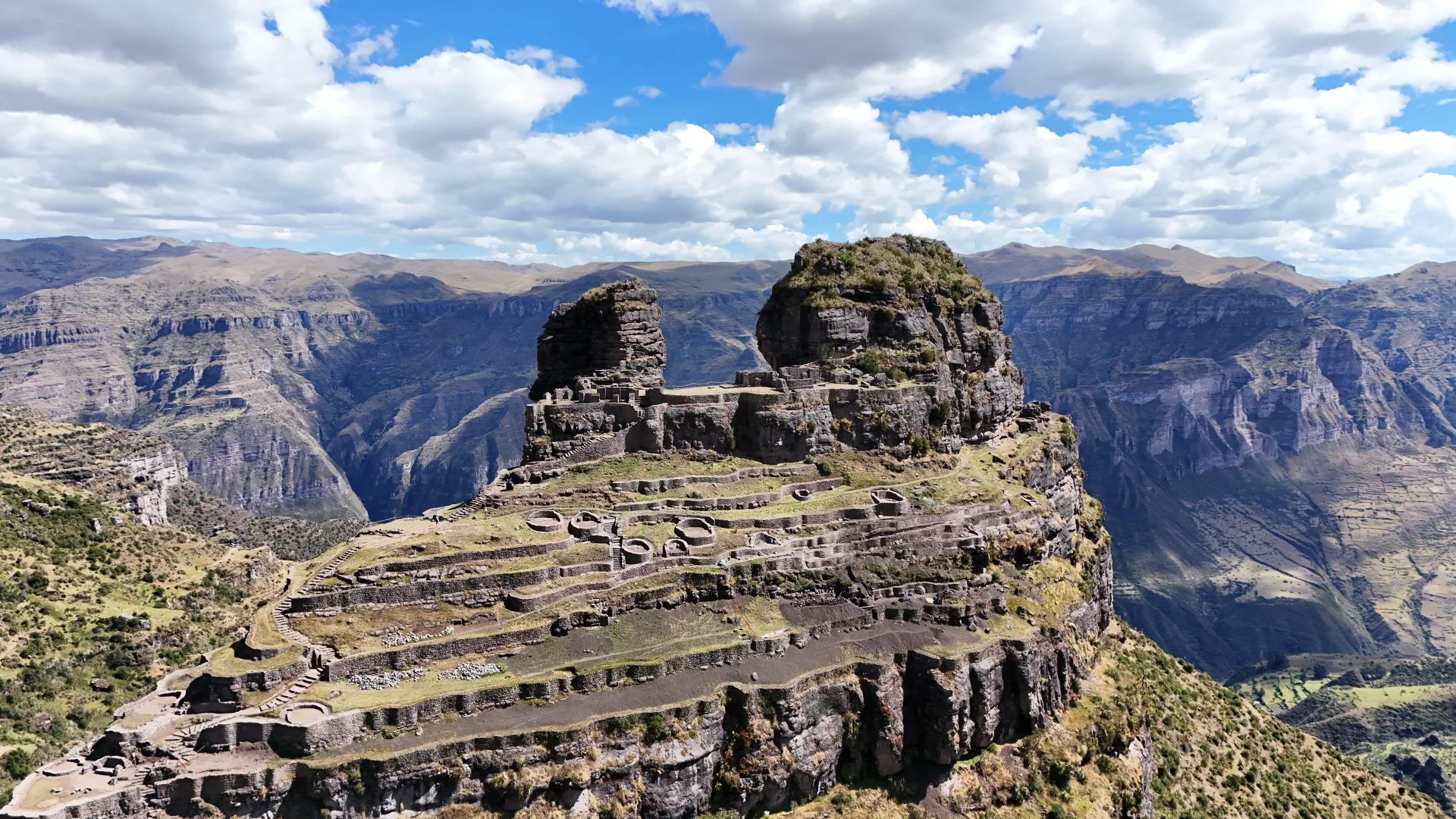
If you are drawn to the places in southern Cusco that hardly anyone visits, see also the Waqrapukara hike, a sanctuary on two rock towers at 4,300 metres.
Frequently asked questions
Is it safe to cross the Q’eswachaka bridge?
Yes. It is renewed every year and crossed one at a time, with the guide. It sways, but holds without any problem.
When is the bridge renewed?
In the second week of June, over three days, with the festival at the end.
What is it made of?
Ichu, a high-altitude grass that is twisted and braided by hand into thick ropes.
Can you visit outside June?
Yes. The bridge stands all year.
What if I am afraid of heights?
You can cross holding the guide’s hand or watch from the bank.