
You eat well in Cusco at any price, from the market set lunch to the chef-driven cooking that has put Peru on international lists. The difficulty is not finding somewhere to eat, but knowing what to order and where it is done best, because many Cusco dishes are only served in certain places or on certain days. This guide is organised by what you will taste: the dishes to know, the traditional places in the city, what to eat in the Sacred Valley and how to fit it into your tours.
Restaurants change their hours and sometimes their address. The names we mention are places with years behind them, but check before you go. None of them pays us to appear here.
The dishes to try
- Chiriuchu. The dish of the Corpus Christi festival: guinea pig, hen, charqui, sausage, cheese, cochayuyo seaweed, torreja fritter and toasted corn, all served cold on one plate. It is eaten mainly in June, but the quintas serve it much of the year.
- Roast guinea pig (cuy al horno). The whole guinea pig, roasted in a wood oven and stuffed with huacatay. It is the Andean celebration dish. The best is eaten outside the city, in Tipón or in the valley villages.
- Chicharrón with mote. Pork fried in its own fat, with hominy corn, potato, mint and onion. It is a midday dish, and at weekends there are queues.
- Adobo cusqueño. Pork marinated in chicha and panca chilli, slowly cooked. It is a Sunday breakfast, with chuta bread; by midday it has sold out.
- Corn with cheese (choclo con queso). The giant white corn of the Sacred Valley, with fresh cheese. It is sold along the valley roads.
- Trout. From high lakes and rivers, fried or as ceviche. It is the fish of the Andes.
- Soups. Quinoa soup and chairo are the most common. If you have just arrived and feel the altitude, they are the easiest to digest.
To drink: chicha de jora, the fermented corn drink already made in Inca times, and frutillada, its strawberry version. Chicherías are marked by a pole with a red bag or flower at the door. Without alcohol, coca or muña tea, and chicha morada, made from purple corn.
In the city: markets, quintas and chicherías
San Pedro Market. Ten minutes’ walk from the Plaza de Armas. It has Cusco’s most famous fruit juices, soup and set-lunch stalls, breads from all over the region and the best display of the region’s potatoes, corn and fruit. Go in the morning. Watch your bag, as in any big market.
The quintas. Old houses with courtyards serving traditional Cusco food in large portions. The best known are in the San Blas district and around Choquechaca street. Quinta Eulalia has been serving chiriuchu, guinea pig and chicharrón since the 1940s. They open mainly at lunchtime.
Picanterías and chicherías. Hearty food with chicha, in a neighbourhood atmosphere. La Chomba, on Tullumayo street, is one of the most traditional. They are lunch places, not dinner places.
Chicharronerías. Pampa del Castillo street, two blocks from Qorikancha, has several. It pairs well with a visit to the Temple of the Sun.
In the city: contemporary cooking
If you prefer Peruvian cooking in restaurant form, with bookings and a wine list, the classics in the centre are Chicha, by Gastón Acurio, on Plaza Regocijo; Cicciolina, on Palacio street; Pachapapa, in a San Blas courtyard with a wood oven; and MAP Café, inside the courtyard of the Pre-Columbian Art Museum. Book dinner at all of them in high season, from June to August.
In the Sacred Valley
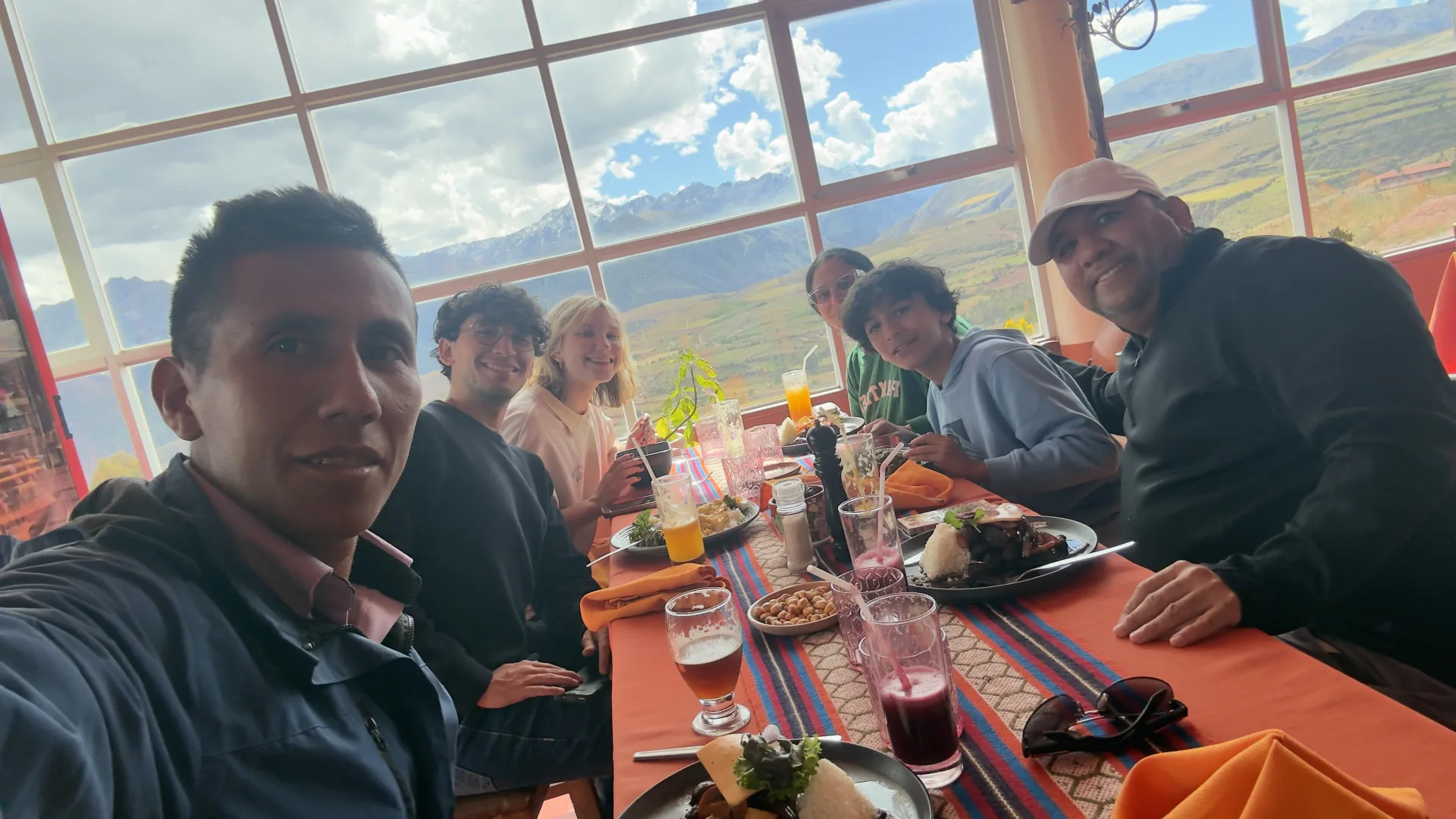
The valley eats differently. Almost everyone has lunch during the tour, and the tour passes through Urubamba, the valley’s food centre.
- Urubamba. Most day tours have lunch here, at restaurants with gardens and a buffet of Peruvian food. On our VIP and Classic routes lunch is included. If you go on your own, El Huacatay is a reference for valley cooking.
- Pisac. Empanadas and bread from the village’s clay ovens, next to the market. A good snack after climbing to the ruins.
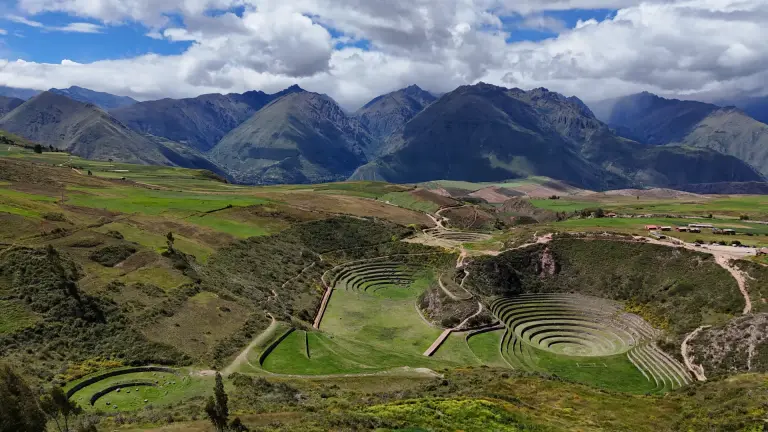
- Moray. Beside the terraces is MIL, Virgilio Martínez’s restaurant, which cooks with produce from nearby communities in a tasting menu. It is booked weeks ahead.
- Ollantaytambo. Small cafés and restaurants around the square, useful if you sleep there before the train to Machu Picchu.
In the South Valley
The South Valley route is also a food route. Saylla is famous for its chicharrón. Tipón, for its roast guinea pig. Oropesa, for chuta bread, the large round loaf that goes with adobo. If you do this tour, ask for the stop: on a private tour you can.
Eating at altitude
For the first two days, eat little and often. Heavy meals and alcohol make altitude sickness worse. Leave the chicharrón and guinea pig for day three and start with soups, trout and quinoa. We explain it in the acclimatisation guide. Drink bottled water and avoid unpeeled fruit and ice at street stalls.
If you want to understand the food, not just taste it
Our private food tour with a cooking class lasts about seven hours. It includes San Pedro Market with a guide, a bean-to-bar chocolate workshop, a Peruvian cooking class with a chef, a pisco sour class and a traditional chichería. Lunch is what you cook.
Frequently asked questions
Is it safe to eat at San Pedro Market?
Yes, at the busiest stalls, which turn their food over constantly. If you have a sensitive stomach, start with the juices and hot soups.
Where to try guinea pig in Cusco?
At the city’s quintas or, better, in Tipón and the valley villages, where it is roasted in a wood oven. It is usually ordered in advance because it is roasted whole.
Are there vegetarian options?
Many. Quinoa soups, corn with cheese, native potatoes, and most restaurants in the centre have a vegetarian menu. On the food experience we adapt the menu if you tell us.
Do you need to book restaurants in Cusco?
For dinner at the well-known restaurants in the centre, yes, especially from June to August. Markets, quintas and chicherías do not take bookings.
Is lunch included on the Sacred Valley tour?
On our VIP and Classic routes, yes, at a valley restaurant. Extra drinks are paid separately.
Keep planning
- Flavors of Cusco, the private food experience.
- Sacred Valley tours, with lunch included.
- Cusco city tours.