Cusco sits at 3,399 metres above sea level (11,152 ft), measured at the Plaza de Armas. Machu Picchu is lower, at 2,430 metres, almost a thousand metres below the city, and the towns of the Sacred Valley lie between 2,800 and 3,000 metres. The highest point you can visit on a day trip from Cusco is the Rainbow Mountain viewpoint, at 5,200 metres. Here is the altitude of every destination, in metres and feet, and what it means for planning your trip.
Altitude of Cusco and every destination
From highest to lowest. Figures marked «≈» are approximate; all of them can vary by a few metres depending on the source and the exact point measured.
| Place | Metres | Feet | Compared with Cusco |
|---|---|---|---|
| Rainbow Mountain (Vinicunca), viewpoint | 5,200 m | 17,060 ft | +1,800 m |
| Palcoyo, viewpoint | 4,900 m | 16,076 ft | +1,500 m |
| Ausangate 7 Lakes, highest point Starts at Pacchanta, 4,300 m |
≈ 4,800 m | ≈ 15,750 ft | +1,400 m |
| Pallay Punchu, viewpoint | ≈ 4,700 m | ≈ 15,420 ft | +1,300 m |
| La Raya pass (Route of the Sun) Highest point between Cusco and Puno |
4,335 m | 14,222 ft | +940 m |
| Abra Málaga (Coffee Route) Crossed by vehicle |
4,315 m | 14,157 ft | +920 m |
| Waqrapukara, archaeological site MINCETUR; the hike starts elsewhere |
4,300 m | 14,108 ft | +900 m |
| Humantay Lake | 4,200 m | 13,780 ft | +800 m |
| Puno, on Lake Titicaca | 3,827 m | 12,556 ft | +430 m |
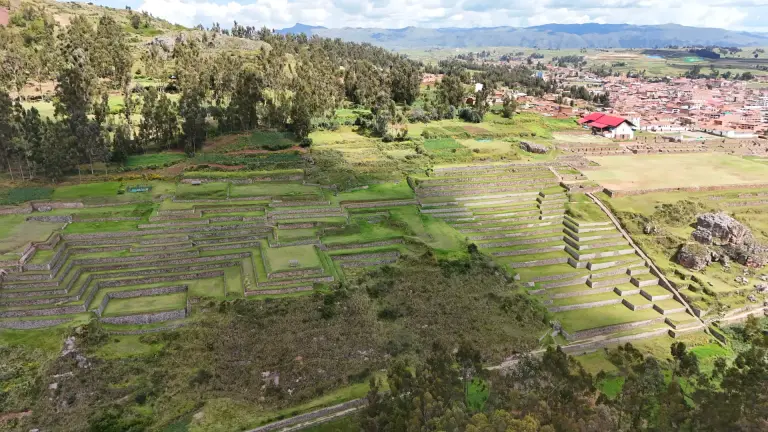
| Chinchero | 3,762 m | 12,343 ft | +360 m |
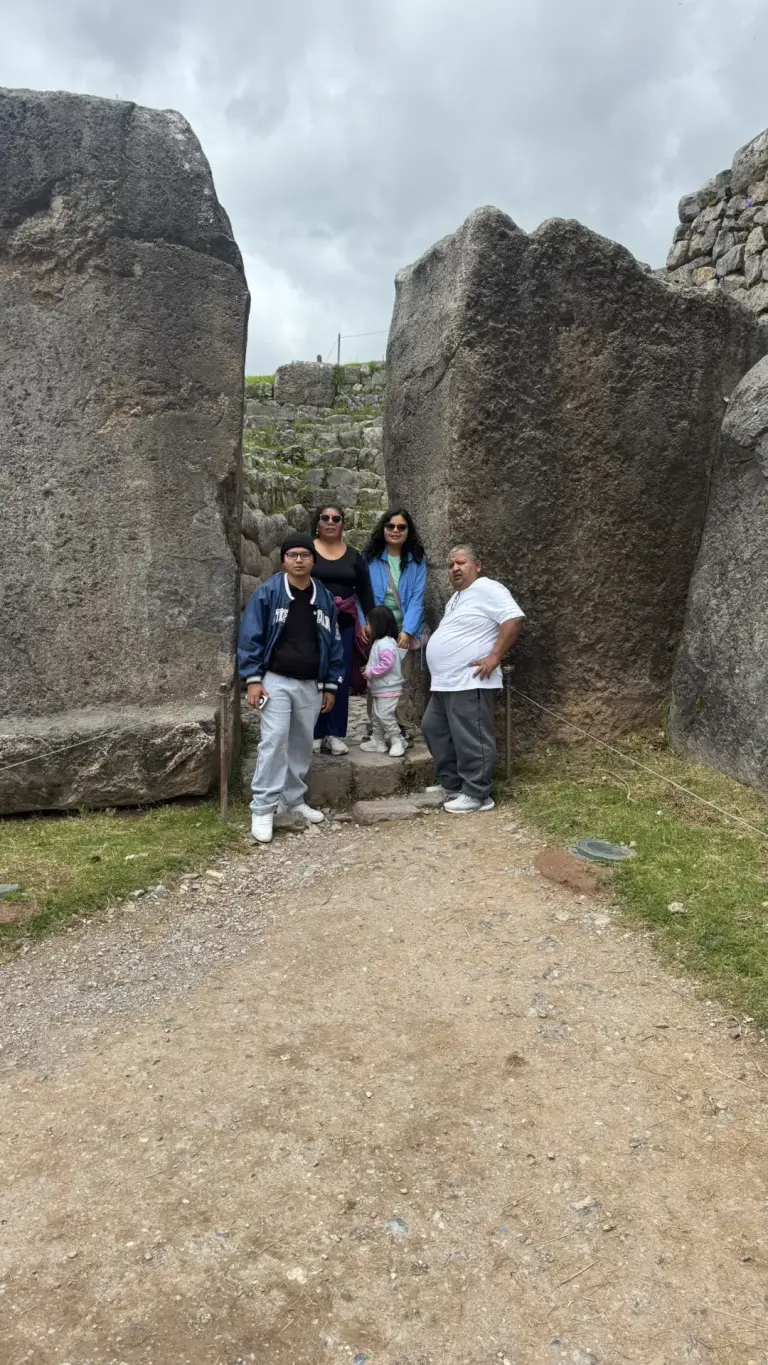
| Sacsayhuaman | ≈ 3,700 m | ≈ 12,140 ft | +300 m |
| Huchuy Qosqo The hike reaches about 3,900 m |
3,650 m | 11,975 ft | +250 m |
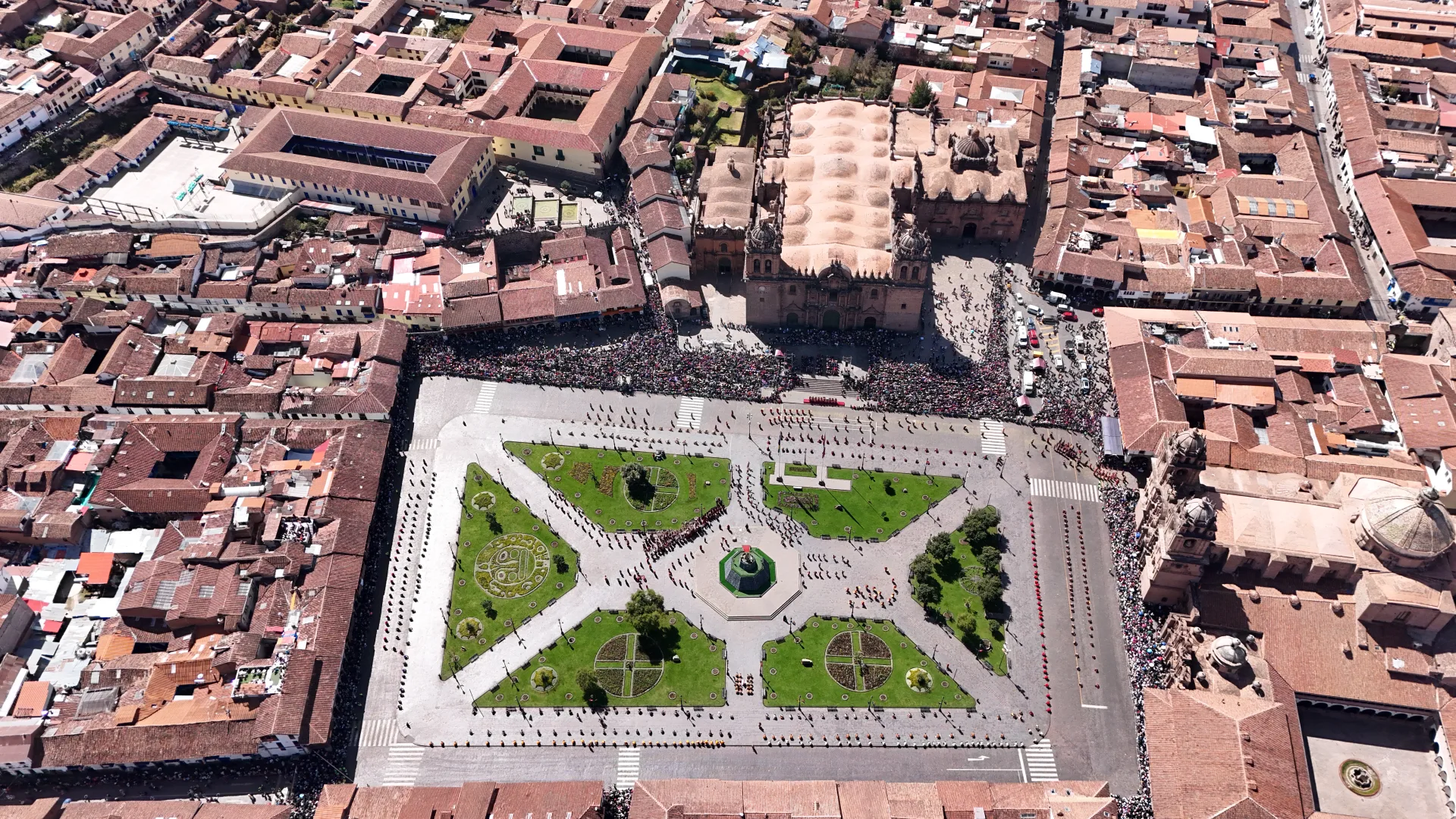
| Cusco, Plaza de Armas Reference |
3,399 m | 11,152 ft | — |
| Machu Picchu Mountain, summit | ≈ 3,080 m | ≈ 10,100 ft | −320 m |
| Pisac | ≈ 2,970 m | ≈ 9,740 ft | −430 m |
| Urubamba | ≈ 2,870 m | ≈ 9,420 ft | −530 m |
| Ollantaytambo Train station to Machu Picchu |
2,792 m | 9,160 ft | −610 m |
| Huayna Picchu, summit | ≈ 2,720 m | ≈ 8,920 ft | −680 m |
| Machu Picchu, citadel Ministry of Culture |
2,430 m | 7,972 ft | −970 m |
At a glance
- Rainbow Mountain (Vinicunca) 5,200 m+1,800 m
- Palcoyo viewpoint 4,900 m+1,500 m
- Humantay Lake 4,200 m+800 m
- Chinchero 3,762 m+360 m
- Sacsayhuaman ≈ 3,700 m+300 m
- Cusco, Plaza de Armas 3,399 mreference
- Pisac ≈ 2,970 m−430 m
- Urubamba ≈ 2,870 m−530 m
- Ollantaytambo 2,792 m−610 m
- Machu Picchu 2,430 m−970 m
- Lower than Cusco: easier on the body
- Slightly higher: short stops
- High mountain: at the end of the trip, after 2 or 3 days of acclimatisation
Is Cusco higher than Machu Picchu?
Yes. The city is at 3,399 metres and the Machu Picchu citadel at 2,430, almost a thousand metres lower, on the edge of the cloud forest. That is why travellers who arrive acclimatised to Cusco usually feel the altitude less at Machu Picchu. The two mountains you can climb inside the sanctuary are higher than the citadel: Huayna Picchu, about 2,720 metres, and Machu Picchu Mountain, about 3,080 metres. How to get there and which circuit to choose is in the complete guide to Machu Picchu.
The Sacred Valley, lower than Cusco
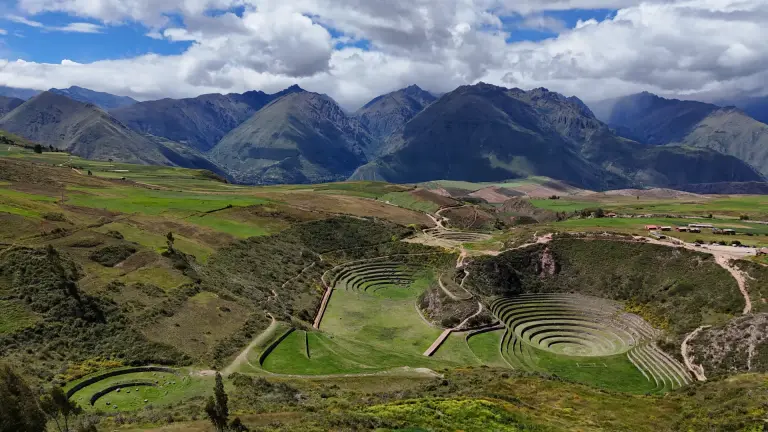
The Sacred Valley lies between 400 and 600 metres below Cusco: Pisac at about 2,970 metres, Urubamba at about 2,870 and Ollantaytambo at 2,792. Chinchero is the exception, up on the plateau at 3,762 metres. That is why many travellers start their trip sleeping in the valley and go up to Cusco afterwards; we explain it in where to stay in the Sacred Valley and in the 3-day itinerary.
The highest day trips
The rainbow mountains, the lakes and Waqrapukara are all above 4,000 metres, between 800 and 1,800 metres higher than Cusco. It is best to leave them for the end of your trip, after two or three days in Cusco or the Sacred Valley. If you cannot decide, we compare Vinicunca and Palcoyo and Humantay and Rainbow Mountain. How to prevent altitude sickness and plan your first days is in our acclimatisation guide.
What to do when you arrive in Cusco
At 3,399 metres the air holds about a third less oxygen than on the coast, and the body takes one to three days to adjust. What helps most in those first days:
- Plenty of water: two to three litres a day, because the dry air dehydrates you without your noticing.
- Small, frequent meals: soup, rice, quinoa and fruit; heavy meals make headaches worse.
- No alcohol for the first two days.
- Coca tea: every hotel has it, and it helps with dizziness and mild headaches.
- Gentle activities: on day one, at most the City Tour in the afternoon; trips above 4,000 metres at the end of your stay.
If your plans allow, start with the Sacred Valley, about 500 metres lower, as we suggest in 2 days in Cusco and in the 3-day itinerary. Shortness of breath at rest, confusion or a cough with exhaustion are not normal: if they appear, see a doctor the same day. All the details are in the acclimatisation guide.
Frequently asked questions
What is the altitude of Cusco?
3,399 metres above sea level at the Plaza de Armas, about 11,152 feet. Sacsayhuaman, above the city, is at about 3,700 metres.
What is the altitude of Machu Picchu?
The citadel is at 2,430 metres (7,972 ft), according to Peru’s Ministry of Culture. Huayna Picchu reaches about 2,720 metres and Machu Picchu Mountain about 3,080.
What is the altitude of the Sacred Valley?
About 2,800 to 3,000 metres on the valley floor: Pisac at about 2,970, Urubamba at about 2,870 and Ollantaytambo at 2,792. Chinchero, higher up, is at 3,762 metres.
What is the highest point of the day tours from Cusco?
The Rainbow Mountain (Vinicunca) viewpoint, at 5,200 metres. Next come Palcoyo, at 4,900, and the Ausangate 7 Lakes, which reach about 4,800 metres.
How can I avoid altitude sickness in Cusco?
You cannot rule it out completely, but it is much easier if you keep the first two days gentle, drink plenty of water, eat light and avoid alcohol. If your trip allows it, start with the Sacred Valley, which is lower than Cusco. We explain it in the acclimatisation guide.
Which is higher, Lima or Cusco?
Cusco, by far. Lima is on the coast, almost at sea level, and Cusco is at 3,399 metres: when you fly in from Lima, your body climbs more than 3,000 metres in a short time and needs one to three days to adapt. How to get there and plan that first day, in Lima to Cusco: plane or bus.
Will I feel the altitude in Cusco?
Many travellers notice it in the first days: tiredness, a headache or shortness of breath on slopes. That is why it is best to start with gentle activities. All the details are in the acclimatisation guide.