Cusco was the capital of the Inca empire and today it is the gateway to Machu Picchu, but reducing it to that means missing half of it. In the city and a few hours away there are Inca temples beneath colonial churches, a whole valley of villages and terraces, rainbow mountains, lakes beneath glaciers and some of Peru’s most interesting food. This guide brings together the essentials, ordered by distance from the Plaza de Armas, with links to the detailed guide for each place. Only have two days? See what to prioritise in 2 days in Cusco.
The 15 essential things to do in Cusco
- The Plaza de Armas and the Cathedral: the heart of the Inca and colonial city, and the best place to start.
- Qorikancha: the Temple of the Sun, with the convent of Santo Domingo on top.
- Sacsayhuaman: the walls of giant stones above the city.
- The twelve-angled stone and the San Blas district: Inca walls, artisans’ workshops and viewpoints, on foot from the square.
- San Pedro Market: fruit juices, chicken soup and the region’s larder.
- The City Tour: Q’enqo, Puka Pukara and Tambomachay, together with Qorikancha and Sacsayhuaman, in half a day.
- Pisac: ruins high on the hill and the Sacred Valley’s great market.
- Ollantaytambo: the fortress, the inhabited Inca town and the train station to Machu Picchu.
- Moray and the Maras Salt Mines: circular terraces and salt pans terraced into the hillside.
- Chinchero: a colonial church, Inca terraces and the village weavers.
- Machu Picchu: in a day from Cusco or staying in the valley; which train to choose.
- Rainbow Mountain, or its quieter alternatives, Palcoyo and Pallay Punchu.
- Humantay Lake: a turquoise lake beneath a glacier, at 4,200 metres.
- The South Valley: Tipón, Pikillacta and Andahuaylillas, at Cusco’s altitude or lower and with no demanding walks.
- Cusco food: quintas, picanterías or our food experience with a cooking class.
Below we order them by distance from the Plaza de Armas, with the details of each one. The altitude of every place is in our Cusco altitude guide.
In the city, on foot
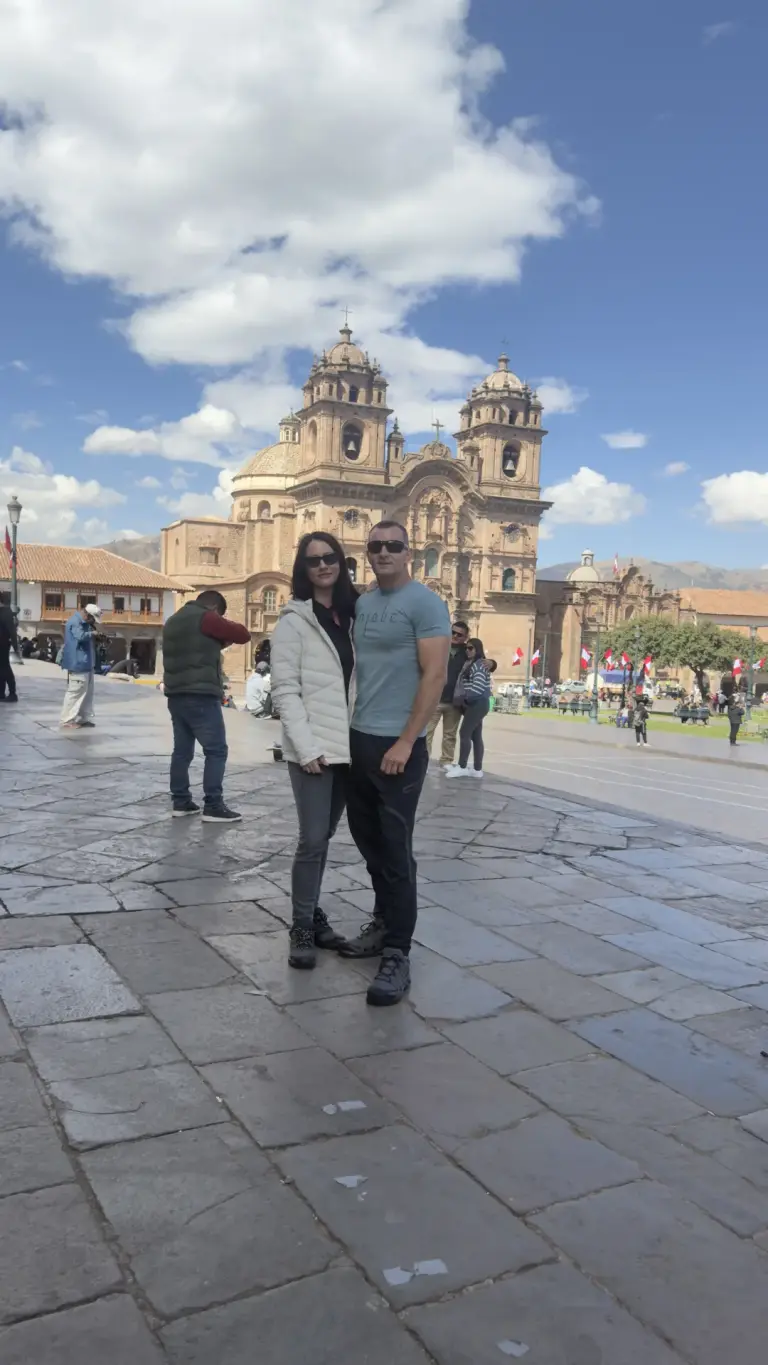
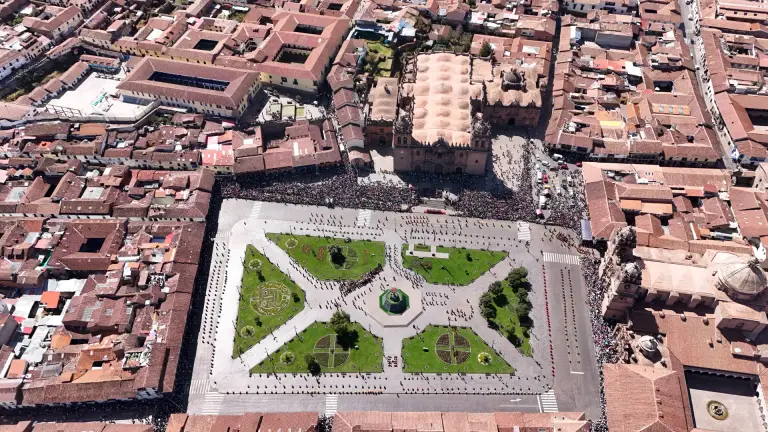
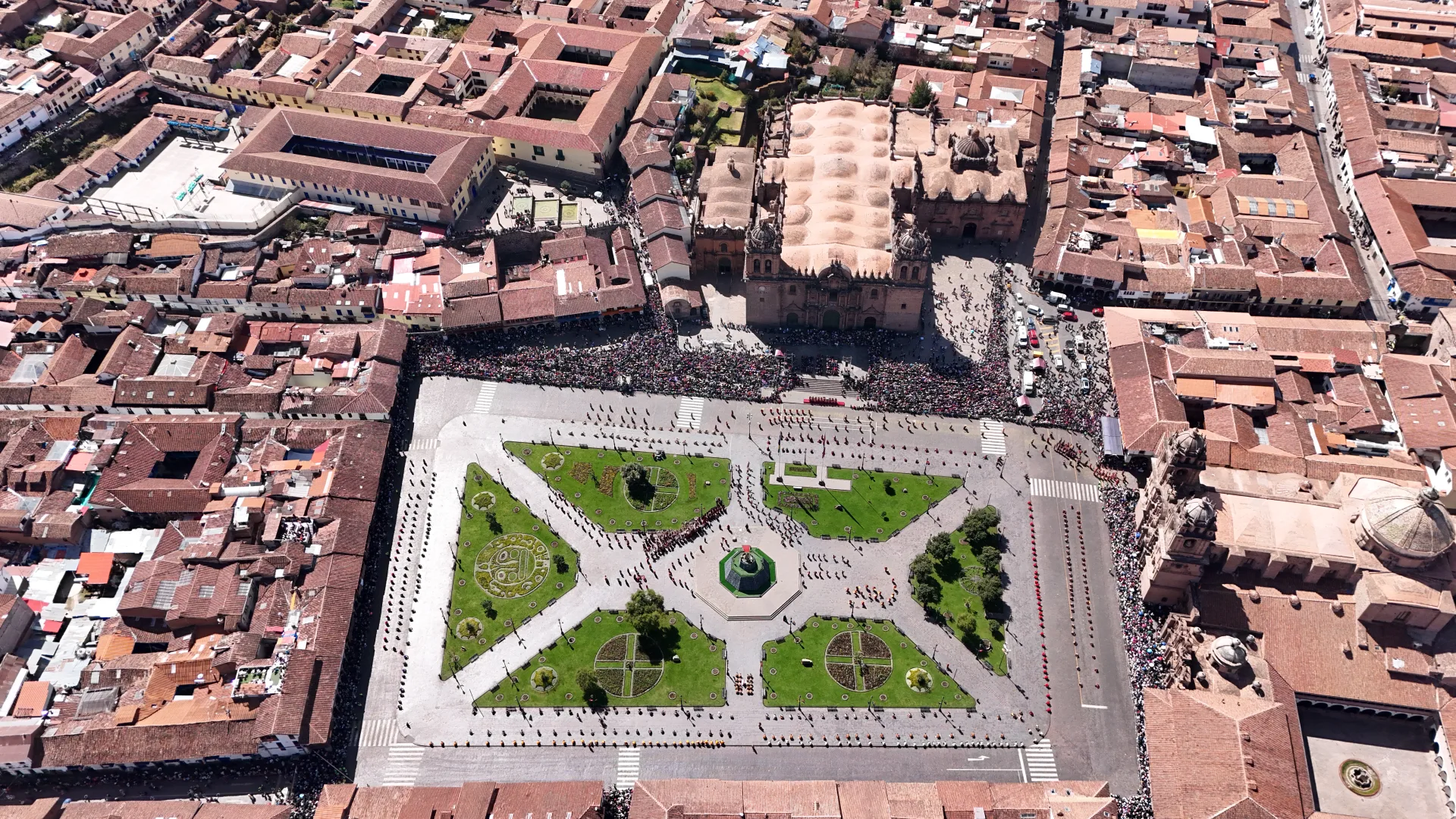
- The Plaza de Armas. The heart of the Inca and colonial city, with the Cathedral and the Compañía de Jesús church. It is the best starting point and, at night, the most beautiful. Cathedral and Plaza de Armas guide.
- Qorikancha. The Temple of the Sun, the most important in the empire, with the convent of Santo Domingo built on top. It is the city’s best lesson in Inca architecture. Qorikancha guide.
- Hatun Rumiyoc street and the twelve-angled stone. An Inca wall two blocks from the square where every stone fits its neighbours without mortar.
- The San Blas district. Steep streets, artisans’ workshops and the best viewpoints over the rooftops.
- San Pedro Market. Fruit juices, soups and the region’s biggest display of produce. What to eat and where.
Up the hill, 15 minutes away
Above the city there are four Inca sites visited together on the City Tour, in half a day (what it includes and what it costs):
- Sacsayhuaman, the walls of giant stones overlooking Cusco. Sacsayhuaman guide.
- Q’enqo and Puka Pukara, a shrine carved into rock and a checkpoint. Q’enqo and Puka Pukara guide.
- Tambomachay, the baths of the Inca, with water still flowing. Tambomachay guide.
All are visited with the Cusco Tourist Ticket. We explain which to buy in the Tourist Ticket guide. And if you arrive today, see whether it suits you to do it this afternoon in the City Tour on your first day.
The Sacred Valley, an hour away
The Urubamba river valley holds the region’s most beautiful villages and sites, about 500 metres below Cusco (altitude of every destination). It is toured in a day, on one of two routes:
- The classic: Pisac and its market, Ollantaytambo and Chinchero. See the tour.
- The VIP: Chinchero, Moray and the Maras Salt Mines and Ollantaytambo. See the tour.
If you are unsure, Classic or VIP: which to choose compares them. For the weather to expect, see the Sacred Valley weather month by month. And if you want to stay overnight, where to stay in the Sacred Valley.
Machu Picchu
The citadel is about four and a half hours from Cusco, by vehicle, train and bus. You can do it in a day, with our Machu Picchu Full Day, or sleeping in Ollantaytambo or Aguas Calientes. Everything you need to plan it is in the complete Machu Picchu guide, and how to combine it with Cusco and the valley, in the 3-day itinerary or, if you only have two, in the Sacred Valley and Machu Picchu in 2 days.
Which train to take and from which station is in our Machu Picchu train guide.
Mountains and lakes, before dawn
Nature trips leave before sunrise and belong at the end of your trip, after two or three days of acclimatisation:
- Vinicunca Rainbow Mountain, at 5,200 metres. Tour · Vinicunca or Palcoyo.
- Palcoyo, the rainbow mountain with almost no walking. Tour.
- Pallay Punchu, the rainbow mountain with vertical, poncho-like ridges, at about 4,700 metres. Guide · Tour.
- Humantay Lake, a turquoise lake beneath a glacier, at 4,200 metres. Guide · Humantay or Rainbow Mountain?
- Ausangate 7 Lakes, with far fewer visitors. Guide · Tour.
Before you go, read the acclimatisation guide and the list of what to pack.
Off the usual circuit
- The South Valley: Tipón, Pikillacta and the Andahuaylillas church, in about six hours and with no altitude. South Valley guide.
- The Mystic Tour: the Abode of the Gods, the Valley of the Elves, the Huasao Wetland and the Forest of the Ents. See the tour.
- Huchuy Qosqo, “little Cusco”: an Inca site above the Sacred Valley reached on a hike. Guide · Tour.
- Waqrapukara, a horn-shaped Inca fortress above the Apurímac canyon. Guide · See the tour.
- The Q’eswachaka bridge, the last Inca rope bridge, renewed by the communities every June. Guide · See the tour.
- A day in an Andean community, joining in whatever its families are doing. See the tour.
- The Coffee Route, from the snow peaks to a specialty coffee farm in the high jungle. See the tour.
- A professional photo session around the historic centre. See the tour.
- Cusco food, in markets, quintas and chicherías, or on our food experience.
How many days you need
| Days | What you can see |
|---|---|
| 2 | The city and the Sacred Valley, or the Sacred Valley and Machu Picchu. We explain it in 2 days in Cusco. |
| 3 | City Tour, Sacred Valley and Machu Picchu. It is the 3-day itinerary. |
| 4 to 5 | All of the above plus a mountain or lake and the South Valley. It is the 4- and 5-day itinerary. |
| 6 or more | All of the above at a relaxed pace, both valley routes and a trip off the usual circuit. We detail it in Cusco in 7 days. |
Frequently asked questions
What are the essentials in Cusco if I have little time?
Qorikancha and Sacsayhuaman in the city, a day in the Sacred Valley and Machu Picchu. Three days are enough for all of that.
What to do in Cusco besides Machu Picchu?
In the city, Qorikancha, Sacsayhuaman, San Blas and San Pedro Market; an hour away, the Sacred Valley; and, for the last days, Rainbow Mountain, Humantay Lake or the South Valley. Machu Picchu is one part of the trip, not all of it.
What to do in Cusco in one day?
In the morning, the Plaza de Armas, the Cathedral and San Pedro Market; in the afternoon, the City Tour of Qorikancha, Sacsayhuaman, Q’enqo, Puka Pukara and Tambomachay. We cover it in 2 days in Cusco.
What to do in Cusco on the first day?
Little effort: rest, stroll around the Plaza de Armas and, if you feel well, the City Tour in the afternoon. High-altitude trips go at the end.
What to do in Cusco when it rains?
Qorikancha, the Cathedral, the museums in the centre and San Pedro Market are all indoors. Tours run as normal in the rain.
Can you visit Cusco without a tour?
The centre, yes, on foot. For the Sacred Valley, Machu Picchu and the mountains, a tour takes care of transport, tickets and timings, which are the hardest part.
Start planning
By trip type: full-day tours, half-day tours, trekking and hiking and special experiences.
And what each tour costs, in a single table: Cusco private tour prices.